Investment Casting Exporter

Casting Wise — Custom Precision Castings

Investment Casting Exporter from Casting Wise

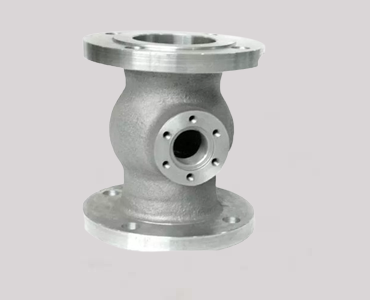
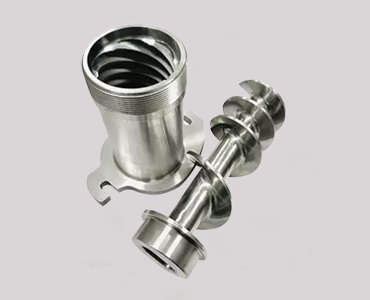
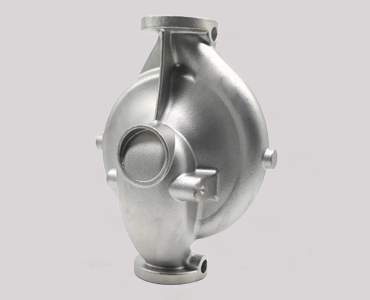
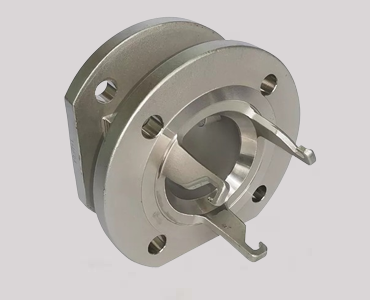
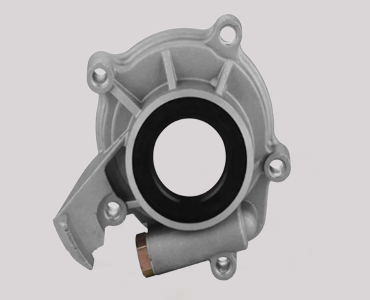
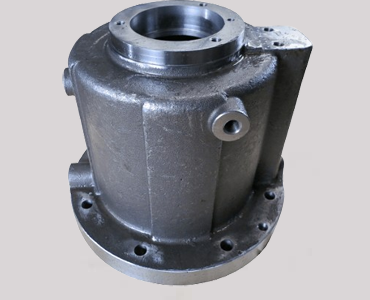
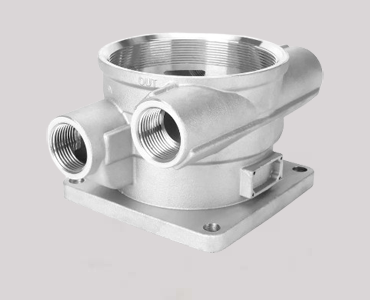
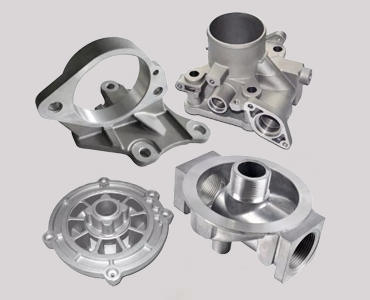
Casting Wise is an investment casting exporter helping buyers define precision metal component orders for international supply. Explore lost wax castings for pumps, valves, food machinery, automotive equipment and marine applications. Our export discussions bring the product drawing, alloy, machining scope and inspection requirements into one clear purchasing specification.

For your next shipment, share the destination, order quantity, required delivery terms and documentation needs with Casting Wise. Confirm packaging, marking and inspection arrangements before production is finalized. Separating the component specification from freight and import requirements makes quotations easier to compare and supports a more organized export order.

Casting Wise
Your Investment Casting Partner

Precision Castings for Your Application

Why Work with Casting Wise

Plan your order with Casting Wise:

  • Prepare one specification for all quotation requests.
  • Confirm material and inspection documents in advance.
  • Match packaging and marking to the shipment.
  • Clarify delivery terms and destination requirements.

Be an Expert When Importing Marine Hardware

Check Our Latest News and Articles.

Centrifugal Casting vs Sand Casting for Sleeves, Rings and Tubes

For a sleeve or tube, centrifugal casting vs sand casting begins with the relationship between the required geometry and a rotating mold. True centrifugal casting forms a hollow cylindrical casting through rotation. Conventional sand casting can create cylindrical parts using a different mold and core arrangement, including shapes that depart from a simple rotational form.

Ductile Iron vs Cast Steel: Comparing More Than Tensile Strength

Ductile iron and cast steel can both serve demanding mechanical applications, but they are different material families. Selecting between them from a single tensile-strength number can overlook toughness, temperature, joining and the geometry of the component. The comparison should begin with the duty the casting must perform.

Shell Mold Casting vs Green Sand Casting: Where Mold Preparation Adds Value

Shell molding and green sand molding both create sand-based molds, but the preparation methods differ. Shell molding uses resin-bonded sand formed against heated tooling, while green sand molding relies on a prepared moist sand system and compaction. Choosing between them requires a component-level comparison.

Green Sand vs No-Bake Sand Casting: Choosing the Molding System

Green sand and no-bake molding are different ways of preparing a sand mold. Green sand uses a moisture-containing bonded system; no-bake molding relies on a chemically setting binder system. Neither term identifies a metal alloy, and neither alone establishes the quality of the finished casting.

Sand Casting vs Lost Foam Casting: A Pattern Decision with Production Consequences

Lost foam casting also uses a sand-based mold arrangement, so sand casting vs lost foam needs a precise definition. In a practical comparison, sand casting usually means a conventional route in which the pattern is withdrawn before pouring. Lost foam retains an expendable foam pattern that is replaced during filling.

Stay Updated with Casting Wise Casting News

Customer Experiences with
Casting Wise

John T.

E-commerce Business Owner

“Casting Wise’s marine hardware exceeded my expectations. The precision craftsmanship and corrosion resistance are unmatched. Perfect for withstanding harsh marine environments. Highly recommend!”

Sarah L.

Retail Store Manager

“I’ve been sourcing marine hardware from Casting Wise for years. Their products combine outstanding performance with competitive pricing. A trusted partner for all my projects.”

David R.

Supply Chain Manager

“Casting Wise not only delivers superior marine hardware but also provides exceptional customer service. Quick responses and timely deliveries keep my operations running smoothly.”

Lisa M.

Product Development Lead

“The boat anchors I ordered from Casting Wise are well-designed and sturdy. Their attention to detail ensures a perfect fit and long-lasting performance.”

Investment Casting Exporter: Questions & Answers

What does Casting Wise focus on?

Casting Wise is an investment casting exporter helping buyers define precision metal component orders for international supply. Explore lost wax castings for pumps, valves, food machinery, automotive equipment and marine applications. Our export discussions bring the product drawing, alloy, machining scope and inspection requirements into one clear purchasing specification.

What information should I send for a quotation?

Send the latest drawing revision, alloy specification, quantity, critical dimensions, finish and delivery destination. These details help Casting Wise define the scope of your casting enquiry.

How should I choose an investment casting alloy?

Compare the required grades against corrosion exposure, temperature, strength and machining needs. Follow the engineering drawing and application requirements when selecting a material.

How should castings be inspected?

Agree dimensional checks, material documentation and any non-destructive testing requirements before production. Identify critical features and define measurable acceptance criteria in the order.

Which certifications or approvals are required?

Requirements depend on the component and its intended use. Confirm the current certification scope and any project-specific approvals with Casting Wise before placing your order.

What affects the delivery schedule?

Tooling, sample approval, quantities, machining, inspection and freight all affect timing. Agree a schedule after the technical requirements and delivery terms have been reviewed.

Can I request custom cast components?

Share your drawing, alloy and quantity with Casting Wise. Custom geometry, machining and finishing requirements should be reviewed before the tooling scope and price are finalized.

How can I compare investment casting quotations?

Compare the same drawing, material, quantity, finish and inspection scope. Separate one-time tooling, unit pricing, packaging and freight so the proposals can be evaluated consistently.

Why review the design before making tooling?

Wall sections, transitions, holes and machining allowances affect the casting route. Early review helps identify features that require discussion before tooling and sampling.

What should sample approval cover?

Review the sample against the agreed drawing, material requirements, surface finish and inspection plan. Record any changes and confirm the drawing revision before repeat production.

How do I prepare a repeat order?

Keep the approved drawing, alloy specification, sample records and packaging requirements together. Confirm quantity, revision and delivery expectations with Casting Wise for every new order.

Explore Casting Wise Manufacturing